 hinoko
Body parts in Japanese
Body parts are short words, almost all one or two syllables long: 目 (め, eye), 手 (て, hand), 口 (くち, mouth). Japanese does not mark the plural: 目 means "an eye" or "eyes" depending on the sentence.
Read the full introduction
These words come back in dozens of vivid expressions, and in the Japanese way of saying that something hurts: 頭が 痛い, literally "the head hurts".
- 27 words
- 22 on the JLPT lists
- 5 sentences from our stories
Body parts in a picture
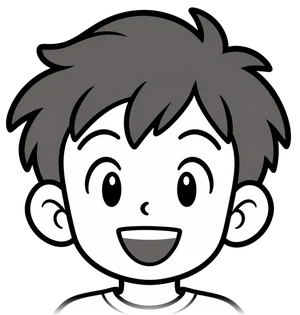
- 頭 あたまatama head
- 目 めme eye
- 耳 みみmimi ear
- 鼻 はなhana nose
- 首 くびkubi neck
- 髪 かみkami hair
- 歯 はha tooth
- 顔 かおkao face
- 口 くちkuchi mouth
- 喉 のどnodo throat
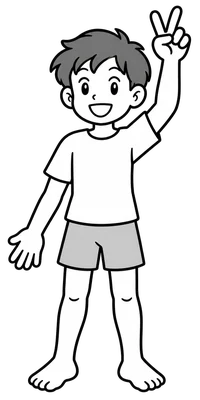
- 肩 かたkata shoulder
- 腕 うでude arm
- 手 てte hand
- 足 あしashi foot
- 指 ゆびyubi finger
- 胸 むねmune chest
- お腹 おなかonaka belly
- 膝 ひざhiza knee
The head and face
- 頭 head
- 顔 face
- 髪 hair
- 目 eye
- 耳 ear
- 鼻 nose
- 口 mouth
- 歯 tooth
- 首 neckhead (首を 横に ふる: to shake one’s head)
- 喉 throat
頭 (あたま) head, 顔 (かお) face, 髪 (かみ) hair, 目 (め) eye, 耳 (みみ) ear, 鼻 (はな) nose, 口 (くち) mouth, 歯 (は) tooth, 首 (くび) neck, 喉 (のど) throat. 首を 横に ふる, "to swing the neck sideways", means to shake your head.
Watch out for words with the same kana: 鼻 (はな, nose) and 花 (はな, flower), 髪 (かみ, hair) and 紙 (かみ, paper), 歯 (は, tooth) and 葉 (は, leaf). Some differ only by pitch accent, like 歯 and 葉; context, and the kanji in writing, tell them apart.
The body, and saying what hurts
- 体 body
- 肩 shoulder
- 腕 arm
- 手 hand
- 指 finger
- 胸 chestheart (seat of feelings); 胸が いっぱいに なる = "to be overcome with emotion"
- お腹 belly, stomach
- 背中 back父の 背中を 見て 育つ = "to grow up following one’s father’s example"
- 足 foot, legpaw
- 膝 kneeひざを たたく = to slap one’s knee (on realizing something)
- 痛い painful, sore
体 (からだ) body, 肩 (かた) shoulder, 腕 (うで) arm, 手 (て) hand, 指 (ゆび) finger, 胸 (むね) chest, お腹 (おなか) belly, 背中 (せなか) back, 足 (あし) leg or foot, 膝 (ひざ) knee. 足 covers the whole leg, from the thigh to the tips of the toes; for the leg alone, 脚 is sometimes written.
To say something hurts, the body part becomes the subject of 痛い (いたい): 頭が 痛い ("I have a headache"), お腹が 痛い ("my stomach hurts"), 歯が 痛い ("I have a toothache"). And お腹が すいた, "the belly has emptied", means "I’m hungry".
Expressions with the body
- 頭がいい clever, smart (literally "the head is good")
- 顔が広い to know a lot of people (literally "the face is wide")
- 口が軽い unable to keep a secret (literally "the mouth is light")
- 耳が痛い said of criticism that hits home (literally "the ears hurt")
- 目がない (〜に目がない) to be crazy about something (literally "to have no eyes")
- 心 heart (feelings), mind心より = "from the bottom of one’s heart"
The body is used to talk about character. 頭が いい, "to have a good head", means to be clever; 顔が 広い, "to have a wide face", means to know a lot of people; 口が 軽い, "to have a light mouth", means you can’t keep a secret.
耳が 痛い, "my ears hurt", is said of criticism that hits home; 〜に 目が ない, "to have no eyes for", means to be crazy about something: 甘い ものに 目が ない ("can’t resist sweets"). As for the heart, in the sense of feelings, it is 心 (こころ); 胸 (むね), the chest, is also used for emotions.
The full JLPT lists
Every word of each level, with a sentence from our stories when there is one.
- JLPT N5 vocabulary list: all 718 words
12 words from this page
- JLPT N4 vocabulary list: all 668 words
7 words from this page
- JLPT N3 vocabulary list: all 2,140 words
3 words from this page
Other themes
Questions about body parts
How do you say “it hurts” in Japanese?
The body part becomes the subject of 痛い (いたい): 頭が 痛い, “I have a headache”, literally “the head hurts”.
Is 足 a leg or a foot?
Both: 足 (あし) covers the whole leg, from the thigh to the tips of the toes. For the leg alone, 脚 is sometimes written.
What does 顔が 広い mean?
Literally “to have a wide face”: to know a lot of people. The body appears in many such expressions: 頭が いい, “to have a good head”, means to be clever.
Didn’t find your answer?
Write to us at contact@hinoko-japanese.com: we answer in English or French.