 hinoko
けんが選んだ道 The Path Ken Chose
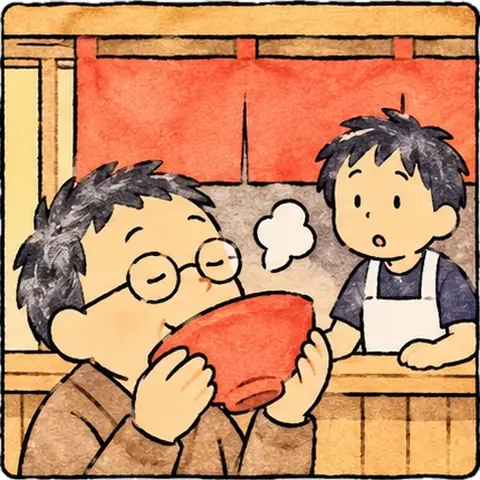
In his last year of high school, Ken tells his father he doesn't want to go to university.
- ~8 minutes
- 18 sentences
- 544 characters
- 64 kanji
- 0 N2 words
Every word and every kanji is checked against the lists of N3 and the levels below; no word from a higher level. How we check →
Too hard? Try the N4 stories or the N5 stories.
The story
「大学には 行かない。そつぎょうしたら、ラーメン屋で 働きたいんだ」
"I'm not going to university. When I graduate, I want to work at a ramen shop."
高校三年の 夏の 夜、夕食の 席で けんが そう 言った とたん、父の はしが 止まった。
One summer evening in his final year of high school, the moment Ken said this at dinner, his father's chopsticks froze.
けんは 二年前から 駅前の ラーメン屋で アルバイトを していて、店長も 「うちで 働けば いい」と 言ってくれていた。
For two years, Ken had been working part-time at the ramen shop near the station, and the manager had told him too, "You can just come and work for us."
「これからの 時代、大学は 出ておくべきだ」と 父は 言った。
"The way things are going, you ought to get a university degree," his father said.
「大学を 出ても、好きな 仕事が できるとは限らないだろう」
"Even with a degree, there's no guarantee you'll get to do work you love, is there?"
「親に対して、その 言い方は 何だ」と、父は 思わず 大きな 声を 出した。
"Is that any way to talk to a parent?" Without meaning to, his father raised his voice.
その 夜から、父は けんと 話そうと しなかった。
From that night on, his father made no effort to talk to Ken.
次の 日、けんは 店長に 「そつぎょうしたら、ここで 働かせてもらえませんか」と 頭を 下げた。
The next day, Ken bowed to the manager: "After I graduate, would you let me work here?"
ところが、事情を 聞くと、店長は 首を 横に ふった。
But when he heard the situation, the manager shook his head.
「あわてる ことは ない。お父さんに 反対された まま 始めるべきじゃない」
"There's no rush. You shouldn't start while your father is against it."
店が 休みの 日曜日の 夜、けんは 父を 店に 呼んだ。
One Sunday evening, when the shop was closed, Ken asked his father to come by.
店長に キッチンを 使わせてもらって、けんは この 二年で 覚えた ラーメンを 父に 作った。
The manager let him use the kitchen, and Ken made his father the ramen he had learned to cook over those two years.
父は 何も 言わずに 食べ、スープも 残さずに 飲んだ。
His father ate without a word and drank the broth without leaving a drop.
「……しおが 少し 多い。でも、うまい」
"…A little too much salt. But it's good."
それから 父は、はしを 持った まま、しばらく じっと だまっていた。
Then his father sat still and silent for a while, chopsticks still in hand.
「好きな ことを 仕事に しても、うまく いくとは限らない。それでも やるのか」
"Making what you love your job doesn't mean it will go well. Are you still going to do it?"
けんが 「やる」と 答えると、父は はしを 置いた。
When Ken answered, "I will," his father put down his chopsticks.
「お前の 道は お前が 決めるべきだ。決めたなら、最後まで やり通せ」
"Your path is yours to decide. Once you've decided, see it through to the end."
Did you understand?
-
1 店長が 首を 横に ふったのは なぜか。
Why did the manager shake his head?
See the answer
Answer: 4. けんの 父が 反対していたから。 Because Ken's father was against it.
-
2 父は けんの ラーメンを 食べて、どう 思ったか。
What did the father think of Ken's ramen?
See the answer
Answer: 2. しおは 少し 多いが、おいしい。 There's a bit too much salt, but it's good.
-
3 最後に、父は けんに 何と 言ったか。
At the end, what did the father tell Ken?
See the answer
Answer: 1. 道は 自分で 決めて いいと 言った。 That he could choose his path himself.

Next story
 信楽のたぬき
The Tanuki of Shigaraki
Hinoko and Shiro arrive in a small pottery town, where a big fire is burning in an old kiln.
Tappable words, synthetic voice and review.
Grammar in this story
-
〜べきだ Dictionary form + べきだ: "should, ought to", duty or strong advice (するべき or すべき).
「これからの 時代、大学は 出ておくべきだ」と 父は 言った。
"The way things are going, you ought to get a university degree," his father said.
-
〜させてもらう Causative te-form + もらう: "be allowed to", or a humble "let me…" (使わせてもらう, "get to use").
次の 日、けんは 店長に 「そつぎょうしたら、ここで 働かせてもらえませんか」と 頭を 下げた。
The next day, Ken bowed to the manager: "After I graduate, would you let me work here?"
-
〜とは限らない Plain form + とは限らない: "not necessarily", there are exceptions (高いものがいいとは限らない, "pricey isn’t always good").
「大学を 出ても、好きな 仕事が できるとは限らないだろう」
"Even with a degree, there's no guarantee you'll get to do work you love, is there?"
Vocabulary 90 words
- 選ぶ えらぶ
- to choose
- 大学 だいがく
- university
- 行く いく
- to go
- そつぎょう
- graduation (そつぎょうする: to graduate)
- する
- to do
- ラーメン
- ramen (noodle soup)
- 屋 や
- shop, after what it sells: はなや = "flower shop"
- 働く はたらく
- to work
- 高校 こうこう
- high school
- 三 さん
- three
- 年 ねん
- year (counter): 五十年 = "fifty years"
- 夏 なつ
- summer
- 夜 よる
- night, evening
- 夕食 ゆうしょく
- dinner, evening meal
- 席 せき
- seat; (夕食の 席) at the dinner table
- そう
- so, like that; そうですか = "I see"
- 言う いう
- to say
- 父 ちち
- father (one's own, in a story)
- はし
- chopsticks
- 止まる とまる
- to stop
- 二 に
- two
- 前 まえ
- front; before (入る 前に = "before going in")
- 駅前 えきまえ
- in front of the station, the station area
- アルバイト
- part-time job
- 店長 てんちょう
- manager (of a shop or restaurant)
- うち
- (of one's own shop or company) our place, us: うちで 働く = "to work for us"
- いい
- good, fine
- これから
- from now on; これからの = "to come, future"
- 時代 じだい
- era, times
- 出る でる
- to graduate from: 大学を 出る = "to graduate from university"
- 好き すき
- to like
- 仕事 しごと
- work, job
- できる
- can do, to manage
- 親 おや
- parent
- その
- that (already mentioned, or near the listener)
- 何 なん
- what; how many (before a counter: 何まい = "how many")
- 思わず おもわず
- without meaning to, in spite of oneself
- 大きな おおきな
- big (always before a noun)
- 声 こえ
- voice
- 出す だす
- to take out, to bring out
- 話す はなす
- to speak, to talk
- 次 つぎ
- next; つぎの あさ = "the next morning"
- 日 ひ
- day
- ここ
- here
- 頭 あたま
- head
- 下げる さげる
- to lower; あたまを 下げる = "to bow one's head"
- ところが
- however, but (unexpectedly)
- 事情 じじょう
- situation, circumstances
- 聞く きく
- to listen; to ask
- 首 くび
- neck; head (首を 横に ふる: to shake one's head)
- 横 よこ
- side; sideways
- ふる
- to wave, to shake (a hand, one's head)
- あわてる
- to rush, to panic
- ある
- there is, to be (for things)
- お父さん おとうさん
- father, dad (someone else's, or to call your own)
- 反対 はんたい
- opposition (反対する: to be against)
- 始める はじめる
- to start, to begin (something)
- 店 みせ
- shop, store; restaurant
- 休み やすみ
- day off, holiday; (school, shop) closed
- 日曜日 にちようび
- Sunday
- 呼ぶ よぶ
- to call (someone)
- キッチン
- kitchen
- 使う つかう
- to use
- この
- this… (near me, or the one just mentioned)
- 覚える おぼえる
- to memorize; おぼえています = "to remember"
- 作る つくる
- to make
- 何 なに
- what
- 食べる たべる
- to eat
- スープ
- soup; here, the ramen broth
- 残す のこす
- to leave (behind, uneaten)
- 飲む のむ
- to drink
- しお
- salt
- 少し すこし
- a little
- 多い おおい
- many, a lot; 人が おおい = "crowded"
- でも
- but
- うまい
- tasty, delicious (casual); skillful
- それから
- and then, after that
- 持つ もつ
- to hold, to carry
- しばらく
- for a while, for a moment
- じっと
- still, without moving; intently
- だまる
- to fall silent
- こと
- thing, matter; いい こと = "a good thing"
- それでも
- even so, and yet
- やる
- to do (casual)
- 答える こたえる
- to answer
- 置く おく
- to put, to leave (somewhere)
- お前 おまえ
- you (casual, used by a man to someone close or younger)
- 道 みち
- path, road
- 決める きめる
- to decide, to choose
- 最後 さいご
- last; the end