 hinoko
エマのブログ Emma's Blog
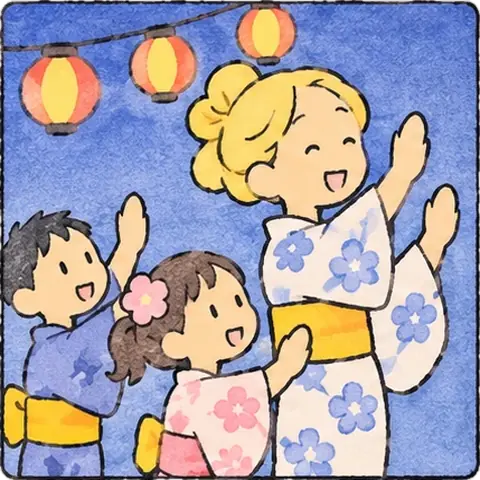
Emma goes to teach English on a small Japanese island. On her blog, she writes about her new life.
- ~8 minutes
- 17 sentences
- 526 characters
- 59 kanji
- 0 N2 words
Every word and every kanji is checked against the lists of N3 and the levels below; no word from a higher level. How we check →
Too hard? Try the N4 stories or the N5 stories.
The story
この 春から、西日本の 小さな しまの 学校で 英語を 教える ことに なりました。
It's official: from this spring, I'm teaching English at the school on a small island in western Japan.
しまに 学校は 一つしか なく、子どもは 全員で 八人です。
There is only one school on the island, and eight children in all.
船が 港に 着くと、たくさんの ねこが 私を 待っていました。
When the boat reached the port, lots of cats were waiting for me.
ねこが 大好きな 私にとって、ここは 夢の ような しまです。
For a cat lover like me, this is a dream island.
コンビニが 一つも ないので、東京ほど 便利ではありませんが、早く しまの 生活に 慣れたいです。
There isn't a single konbini, so it's not as convenient as Tokyo, but I want to get used to island life quickly.
五月に なりました。
It's May now.
さて、今日は ごみについて 書きます。
Well, today I'm going to write about garbage.
先週、私は びんと かんを 同じ ふくろに 入れて 出してしまいました。
Last week, I mistakenly put out bottles and cans in the same bag.
すると、となりの おばあさんが その ふくろを 持ってきて、ごみの 決まりを 優しく 教えてくれました。
Then the old lady next door brought the bag back and kindly explained the garbage rules to me.
私は あやまる ばかりで、うまく 話せませんでした。
I just kept apologizing and couldn't express myself well.
でも 次の 日、おばあさんは 自分の はたけで とれた やさいを 持って、また 来てくれました。
But the next day, she came again, bringing vegetables from her field.
しまに 来た ばかりの 私にとって、それは 本当に うれしい ことでした。
For me, having only just arrived on the island, that was a real joy.
今は、ごみの 分け方だけでなく、やさいの おいしい 食べ方も 教えてもらっています。
Now she teaches me not only how to sort the garbage, but also tasty ways to eat the vegetables.
七月に なると、しまの 人たちは 夏まつりの じゅんびを 始めました。
When July came, the islanders started getting ready for the summer festival.
子どもたちに 「エマ先生も 一緒に おどって!」と 言われて、私も まつりで おどる ことに なりました。
The children said, "Miss Emma, dance with us too!", so now I'm going to dance at the festival as well.
しまの 生活には もう 慣れましたが、おどりは まだまだです。
I'm used to island life by now, but my dancing still has a long way to go.
英語の 時間は 私が 先生ですが、おどりの 時間は 八人の 子どもたちが 私の 先生です。
In English class I'm the teacher, but when it's time to dance, the eight children are my teachers.
Did you understand?
-
1 「それ」は 何か。
What does "that" (それ) refer to?
See the answer
Answer: 2. おばあさんが やさいを 持って、また 来た こと The old lady coming back with vegetables.
-
2 エマは 何を 間違えたか。
What mistake did Emma make?
See the answer
Answer: 1. びんと かんを 分けずに 出した。 She put out bottles and cans without sorting them.
-
3 最後の 文で、エマが 言いたい ことは 何か。
In the last sentence, what does Emma mean?
See the answer
Answer: 3. 子どもたちが エマに おどりを 教えている。 The children teach her the dance.

Next story
 旅の始まり
The Journey Begins
One summer night at the library, Hinoko reads something that makes her dream of a long journey.
Tappable words, synthetic voice and review.
Grammar in this story
-
〜ことになる Dictionary form + ことになる: "it has been decided that", by others or by circumstances (引っ越すことになった).
この 春から、西日本の 小さな しまの 学校で 英語を 教える ことに なりました。
It's official: from this spring, I'm teaching English at the school on a small island in western Japan.
-
〜に慣れる Noun + に慣れる: get used to (新しい生活に慣れる); with a verb: dictionary form + のに慣れる.
コンビニが 一つも ないので、東京ほど 便利ではありませんが、早く しまの 生活に 慣れたいです。
There isn't a single konbini, so it's not as convenient as Tokyo, but I want to get used to island life quickly.
-
〜にとって Noun + にとって: "for, to", from someone’s point of view (私にとって大切な人, "someone dear to me").
ねこが 大好きな 私にとって、ここは 夢の ような しまです。
For a cat lover like me, this is a dream island.
Vocabulary 87 words
- ブログ
- blog
- この
- this… (near me, or the one just mentioned)
- 春 はる
- spring
- 西日本 にしにほん
- western Japan
- 小さな ちいさな
- small, little (always before a noun)
- しま
- island
- 学校 がっこう
- school
- 英語 えいご
- English (the language)
- 教える おしえる
- to teach; to tell, to show
- なる
- to become
- 一つ ひとつ
- one (thing)
- ある
- there is, to be (for things)
- 子供 こども
- child; 子どもの とき = "as a child"
- 全員 ぜんいん
- everyone, all (members)
- 八 はち
- eight
- 人 にん
- (after a number) counter for people: 三人 = "three people"
- 船 ふね
- boat, ship
- 港 みなと
- port, harbor
- 着く つく
- to arrive
- たくさん
- a lot, many
- ねこ
- cat
- 私 わたし
- I, me
- 待つ まつ
- to wait
- 大好き だいすき
- to love, to like very much
- ここ
- here
- 夢 ゆめ
- dream
- コンビニ
- konbini, convenience store
- 東京 とうきょう
- Tokyo
- 便利 べんり
- convenient, handy
- 早い はやい
- quick, taking little time; はやく = "quickly, soon"
- 生活 せいかつ
- (daily) life, way of living
- 慣れる なれる
- to get used (to)
- 五 ご
- five
- 月 がつ
- month (after a number): 二月 = "February", 三月 = "March"
- さて
- well, now (to move on to another topic)
- 今日 きょう
- today
- ごみ
- garbage, trash
- 書く かく
- to write
- 先週 せんしゅう
- last week
- びん
- (glass) bottle, jar
- かん
- can
- 同じ おなじ
- the same
- ふくろ
- bag (paper or plastic)
- 入れる いれる
- to put in
- 出す だす
- to take out, to bring out
- すると
- then, thereupon (what follows happens right after)
- となり
- next to, next door
- おばあさん
- old woman; grandmother
- その
- that (already mentioned, or near the listener)
- 持つ もつ
- to hold, to carry
- 決まり きまり
- rule, what has been decided
- 優しい やさしい
- kind, gentle; やさしく = "gently"
- あやまる
- to apologize
- うまい
- tasty, delicious (casual); skillful
- 話す はなす
- to speak, to talk
- でも
- but
- 次 つぎ
- next; つぎの あさ = "the next morning"
- 日 ひ
- day
- 自分 じぶん
- oneself; じぶんの = "one's own"
- はたけ
- field, vegetable patch
- とれる
- to be harvested, to be caught; to come off
- やさい
- vegetable
- また
- again
- 来る くる
- to come
- それ
- that (near the listener, or already mentioned)
- 本当に ほんとうに
- really, truly
- うれしい
- glad, happy (about something)
- こと
- thing, matter; いい こと = "a good thing"
- 今 いま
- now
- 分ける わける
- to separate, to sort; to share
- おいしい
- delicious, tasty
- 食べる たべる
- to eat
- 七 しち
- seven
- 人 ひと
- person; ゆうびんきょくの 人 = "the post office clerk"
- たち
- (after a noun) plural: どうぶつたち = "the animals"
- 夏まつり なつまつり
- summer festival
- じゅんび
- preparations
- 始める はじめる
- to start, to begin (something)
- 先生 せんせい
- teacher
- 一緒に いっしょに
- together
- おどる
- to dance
- 言う いう
- to say
- まつり
- festival
- もう
- already; (with a negative) no longer
- おどり
- dance
- まだまだ
- still a long way to go, not yet (good enough)
- 時間 じかん
- time; hour (duration): 一時間 = "one hour"