 hinoko
ブラジルからの手紙 Letters from Brazil
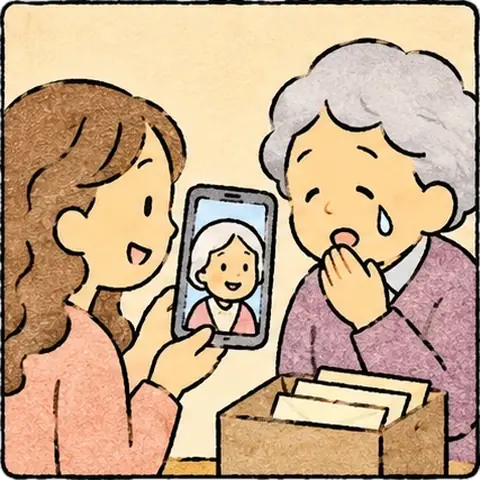
For more than sixty years, Yui's grandmother has kept the letters of a childhood friend who left for Brazil. One day, she shows them to Maria.
- ~11 minutes
- 20 sentences
- 789 characters
- 105 kanji
- 0 N1 words
Every word and every kanji is checked against the lists of N2 and the levels below; no word from a higher level. How we check →
Too hard? Try the N3 stories or the N4 stories.
The story
正月に 遊びに 来た マリアに、ゆいの 祖母の さちこが、古い お菓子の 缶を 開けて 見せた。
At New Year, when Maria came to visit, Yui's grandmother Sachiko opened an old cookie tin to show her.
中には、ブラジルの 切手が はられた 封筒が、何十通も 入っていた。
Inside were dozens of envelopes bearing Brazilian stamps.
小学校で 一番の 友だちだった はるえが、家族と 船で ブラジルへ 渡ったのは、六十年以上も 前の 春の ことだ。
It was one spring more than sixty years ago that Harue, her best friend at elementary school, had left for Brazil by ship with her family.
出発に際して、はるえは、二人が 並んで 写った 写真を 一枚、さちこに くれた。
On leaving, Harue had given Sachiko a photo of the two of them side by side.
十歳の さちこにすれば、ブラジルは 月と 同じくらい 遠い 国だった。
To ten-year-old Sachiko, Brazil was a country as far away as the moon.
一か月半の 船の 旅の 末に 向こうに 着くと、はるえは 毎月の ように 手紙を くれた。
Once she arrived, after a month and a half at sea, Harue wrote to her almost every month.
さっちゃん、お元気ですか。こちらは 十二月なのに 夏で、毎日 とても あついです。
Dear Sacchan, how are you? Here it's December, and yet it's summer: it's very hot every day.
はたけの 仕事は 大変だけど、夜に なると、こわいくらい たくさんの 星が 見えます。
Work in the fields is hard, but at night you can see so many stars it's almost scary.
いつか 日本に 帰ったら、また いっしょに さくらを 見ようね。
Someday, when I come back to Japan, let's go and see the cherry blossoms together again.
何度も 読んだ その 手紙の 言葉を、さちこは いまだに 覚えている。
Sachiko read that letter so many times that she still remembers its words today.
けれども、はるえの 家族は 引っ越しを くりかえした あげく、連絡が 取れなく なってしまった。
But Harue's family moved again and again, until in the end the two lost touch.
それから 六十年、二人は 一度も 会うことなく、それぞれの 国で 年を取った。
For the next sixty years, without ever meeting again, the two grew old, each in her own country.
それでも さちこは、手紙を 一通も 捨てることなく、この 缶に しまっておいたのだ。
Even so, Sachiko had never thrown away a single letter: she had kept them all in this tin.
缶の 底に あった 写真を 見たとたん、マリアは 「これ、ブラジルの 祖母の 家に ある 写真に そっくりです!」と 声を 上げた。
The moment she saw the photo at the bottom of the tin, Maria cried out, "It looks just like the photo at my grandmother's house in Brazil!"
マリアの 祖母の 名前も はるえで、日本に 残った 友だちの ことを、いまだに よく 話す そうだ。
Maria's grandmother is also called Harue, and, it seems, she still often talks about a friend who stayed behind in Japan.
ブラジルには、日本から 渡った 人と その 子孫が 二百万人以上 いると 言われ、同じ 名前の 人も 大勢 いる だろう。
Brazil is said to have over two million people who came from Japan or descend from those who did, so there must be many people with the same name.
「今、祖母に 電話してみても いいですか」と マリアに 聞かれて、さちこは 迷った 末に、小さく うなずいた。
"May I call my grandmother right now?" Maria asked, and after much hesitation Sachiko gave a small nod.
ビデオ通話の 画面に 映った 白い 髪の おばあさんは、さちこの 顔を じっと 見て、震える 声で 「……さっちゃん?」と 言った。
The white-haired old woman on the video call looked hard at Sachiko's face, then said in a trembling voice, "…Sacchan?"
六十年ぶりに そう 呼ばれて、さちこは 胸が いっぱいに なり、何も 言えなかった。
Called that for the first time in sixty years, Sachiko was too overcome to say a word.
六十年前に 切れた 二人の 糸を 再び つないだのは、さちこが 捨てずに いた 一枚の 写真にほかならない。
What retied the thread between them, broken sixty years before, was none other than the one photo Sachiko had never thrown away.
Did you understand?
-
1 さちこが、すぐに うなずかなかったのは、なぜだと 考えられるか。
Why do you think Sachiko didn't nod right away?
See the answer
Answer: 3. 同じ 名前の、別の 人かもしれないと 思ったから。 Because she thought it might be a different Harue.
-
2 「二人の 糸」とは、何の ことか。
What does "the thread between them" mean?
See the answer
Answer: 1. さちこと はるえの、友だちとしての つながり The bond of friendship between Sachiko and Harue.
-
3 この 話の 内容と 合う ものは どれか。
Which statement matches the story?
See the answer
Answer: 2. 二人は、六十年の 間、一度も 会っていなかった。 For sixty years, the two had not met even once.

Next story
 灯台の話
The Lighthouse's Story
An old lighthouse lens spends a few days at the library. At night, it tells Hinoko its story.
Tappable words, synthetic voice and review.
Grammar in this story
-
〜ことなく Dictionary form + ことなく: "without (ever) doing…"; written (休むことなく, "without a break").
それから 六十年、二人は 一度も 会うことなく、それぞれの 国で 年を取った。
For the next sixty years, without ever meeting again, the two grew old, each in her own country.
-
〜末に Ta-form or noun + の + 末に: "after much…", a result after long effort (考えた末に, "after long thought").
一か月半の 船の 旅の 末に 向こうに 着くと、はるえは 毎月の ように 手紙を くれた。
Once she arrived, after a month and a half at sea, Harue wrote to her almost every month.
-
いまだに いまだに (未だに): "still, even now", even after a long time (いまだに覚えている, "still remembers").
何度も 読んだ その 手紙の 言葉を、さちこは いまだに 覚えている。
Sachiko read that letter so many times that she still remembers its words today.
Vocabulary 139 words
- 正月 しょうがつ
- New Year (the first days of the year)
- 遊ぶ あそぶ
- to play, to have fun
- 来る くる
- to come
- 祖母 そぼ
- grandmother (one's own, talking to someone outside the family; or in a narrative)
- 古い ふるい
- old (for things)
- お菓子 おかし
- sweets, snacks
- 缶 かん
- can
- 開ける あける
- to open
- 見せる みせる
- to show
- 中 なか
- inside
- ブラジル
- Brazil
- 切手 きって
- stamp (postage)
- はる
- to stick, to paste
- 封筒 ふうとう
- envelope
- 何 なん
- what; how many (before a counter: 何まい = "how many")
- 十 じゅう
- ten
- 通 つう
- (counter for letters): 二通 = "two letters"
- 入る はいる
- to enter, to come in
- 小学校 しょうがっこう
- elementary school (six years, ages 6 to 12)
- 一番 いちばん
- the most; いちばん 上 = "the very top"
- 友達 ともだち
- friend
- 家族 かぞく
- family
- 船 ふね
- boat, ship
- 渡る わたる
- (海を 渡る) to go overseas, to go and live in a distant country: ブラジルへ 渡る = "to go over to Brazil"
- 六 ろく
- six
- 年 ねん
- year (counter): 五十年 = "fifty years"
- 以上 いじょう
- more than, or more (after a number)
- 前 まえ
- front; before (入る 前に = "before going in")
- 春 はる
- spring
- こと
- thing, matter; いい こと = "a good thing"
- 出発 しゅっぱつ
- departure
- 二人 ふたり
- two people; 二人で = "the two of them"
- 並ぶ ならぶ
- to be side by side, to be in a row: ならんで すわる = "to sit side by side"
- 写る うつる
- to be in a photo, to come out in a picture
- 写真 しゃしん
- photo
- 一 いち
- one
- 枚 まい
- counter for flat things (sheets, stamps…)
- くれる
- to give (to me or my side)
- 歳 さい
- years old: 六さい = "six years old"
- 月 つき
- moon
- 同じ おなじ
- the same
- 遠い とおい
- far, distant
- 国 くに
- country
- か月 かげつ
- (after a number) month(s) (length of time): 一か月半 = "a month and a half"
- 半 はん
- half; half past (七時半 = "half past seven")
- 旅 たび
- journey, travel
- 向こう むこう
- the other side, over there; (on the phone) at the other end
- 着く つく
- to arrive
- 毎月 まいつき
- every month
- 手紙 てがみ
- letter
- 元気 げんき
- healthy, lively
- こちら
- this way; this side (polite); こちらです = "this way, please"
- 二 に
- two
- 月 がつ
- month (after a number): 二月 = "February", 三月 = "March"
- 夏 なつ
- summer
- 毎日 まいにち
- every day
- とても
- very
- あつい
- hot (weather, air)
- はたけ
- field, vegetable patch
- 仕事 しごと
- work, job
- 大変 たいへん
- hard, tough (work, a situation)
- 夜 よる
- night, evening
- なる
- to become
- こわい
- scary; scared
- たくさん
- a lot, many
- 星 ほし
- star
- 見える みえる
- to be visible, to be in sight
- いつか
- someday, sooner or later
- 日本 にほん
- Japan
- 帰る かえる
- to go home, to return
- また
- again
- いっしょに
- together
- さくら
- cherry tree; cherry blossoms
- 見る みる
- to look, to see
- 度 ど
- time(s) (counter); degree (temperature); 何度も = "many times"
- 読む よむ
- to read
- その
- that (already mentioned, or near the listener)
- 言葉 ことば
- word, words; a short message
- いまだに
- still, even now (when one might expect otherwise)
- 覚える おぼえる
- to memorize; おぼえています = "to remember"
- 引っ越し ひっこし
- move (to a new home)
- くりかえす
- to repeat, to do over and over
- 連絡 れんらく
- contact, word; 連絡が 取れない = "can't get in touch"
- 取る とる
- to take
- それから
- and then, after that
- 一度 いちど
- once; (一度も + negative) not even once
- 会う あう
- to meet, to see (someone)
- それぞれ
- each, respectively
- 年を取る としをとる
- to grow old
- それでも
- even so, and yet
- 捨てる すてる
- to throw away
- この
- this… (near me, or the one just mentioned)
- しまう
- to put away, to store
- 底 そこ
- bottom (of a box, of the sea)
- ある
- there is, to be (for things)
- これ
- this (near me)
- 家 いえ
- house, home
- そっくり
- just like, the spitting image of; 〜に そっくり = "exactly like…"
- 声 こえ
- voice
- 上げる あげる
- to raise, to lift; 声を 上げる = "to cry out"
- 名前 なまえ
- name
- 残る のこる
- to remain, to stay behind; to be left
- よく
- well; often
- 話す はなす
- to speak, to talk
- 人 ひと
- person; ゆうびんきょくの 人 = "the post office clerk"
- 子孫 しそん
- descendants
- 百 ひゃく
- one hundred (100)
- 万 まん
- ten thousand; 何万 = "tens of thousands"
- 人 にん
- (after a number) counter for people: 三人 = "three people"
- いる
- to be, to exist (living things)
- 言う いう
- to say
- 大勢 おおぜい
- a lot of people, a crowd
- 今 いま
- now
- 電話 でんわ
- telephone; phone call
- する
- to do
- いい
- good, fine
- 聞く きく
- to listen; to ask
- 迷う まよう
- to get lost; to hesitate
- 小さい ちいさい
- small, little
- うなずく
- to nod
- ビデオ
- video
- 通話 つうわ
- call (phone); ビデオ通話 = "video call"
- 画面 がめん
- screen
- 映る うつる
- to appear (on a screen, in a mirror)
- 白い しろい
- white
- 髪 かみ
- hair
- おばあさん
- old woman; grandmother
- 顔 かお
- face
- じっと
- still, without moving; intently
- 震える ふるえる
- to tremble, to shake
- そう
- so, like that; そうですか = "I see"
- 呼ぶ よぶ
- to call (someone)
- 胸 むね
- chest; heart (seat of feelings); 胸が いっぱいに なる = "to be overcome with emotion"
- いっぱい
- full; lots of
- 何 なに
- what
- 切れる きれる
- to break, to be cut; (a tie) to be broken
- 糸 いと
- thread
- 再び ふたたび
- again, once more (written)
- つなぐ
- to connect, to tie together; to renew (a bond)