 hinoko
灯台の話 The Lighthouse's Story
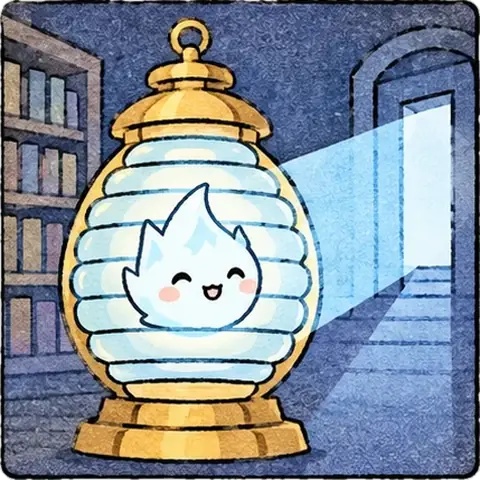
An old lighthouse lens spends a few days at the library. At night, it tells Hinoko its story.
- ~12 minutes
- 20 sentences
- 853 characters
- 105 kanji
- 0 N1 words
Every word and every kanji is checked against the lists of N2 and the levels below; no word from a higher level. How we check →
Too hard? Try the N3 stories or the N4 stories.
The story
十一月の ある 日、図書館の 入口に、ガラスの 輪を たくさん 重ねた ような、不思議な 形の 物が 運び込まれた。
One day in November, a strangely shaped object that looked like a stack of glass rings was carried into the library entrance.
海の 近くの はくぶつかんから、しばらく 借りる ことに なった、古い 灯台の レンズだった。
It was an old lighthouse lens, which the library was borrowing for a while from a museum by the sea.
レンズを 見たがる ひのこの ために、その 夜、さかいさんは 帰る 前に、ひのこの コップを レンズの そばに 置いていった。
That night, because Hinoko was eager to see it, Sakai-san set Hinoko's glass beside the lens before going home.
ひのこが あいさつ すると、レンズは 低い 声で 答えた。
When Hinoko greeted it, the lens answered in a low voice:
「私は、もう 光らない。火が なければ、レンズは ただの ガラスにすぎない」
"I don't shine anymore. Without a flame, a lens is nothing but a piece of glass."
レンズが 昔 光っていた 灯台は、遠い 小さな 島に 立っていた。
The lighthouse where the lens used to shine stood on a small, faraway island.
そこには 灯台を 守る 人が 住んでいて、天気にかかわらず、毎日 レンズを 磨いた そうだ。
A man who kept the lighthouse lived there, and it is said that he polished the lens every day, whatever the weather.
月に 一度の 休みを 除いて 島を はなれず、三十年の 間、一度として 夜の 明かりを 消さなかった。
Apart from one day off a month, he never left the island, and in thirty years he did not once let the light go out at night.
「灯台の 光は、船に 乗る 人の 命に 関わる。私が 光っている 限り、あの 人も 眠らなかった」
"A lighthouse's light is a matter of life and death for the people at sea. As long as I was shining, he didn't sleep either."
ある 冬の 夜、ひどい あらしで、島の 電気が 止まってしまった。
One winter night, a terrible storm cut off the island's electricity.
おきでは、港に 帰ろうと する 小さな 船が、波の 中で 道を 探していた。
Out at sea, a small boat trying to get back to port was searching for its way among the waves.
灯台を 守る 人は、予備の 小さな 明かりを レンズの 真ん中に 置き、「どんなに 小さな 火でも、光は 守らねば ならない」と 言った。
The man who kept the lighthouse set a small backup lamp in the center of the lens and said, "However small the flame, the light must be kept."
その 火は わずかに 光る だけだったが、レンズを 通った 光は 強く なって、遠い おきまで 届いた。
That flame gave only a faint glow, but the light that passed through the lens grew strong and reached far out to sea.
小さな 船は その 光を 見つけ、無事に 港へ 帰ってきた。
The small boat spotted the light and made it safely back to port.
「顔も 知らぬ 人たちの ために 光る。それが 私の 仕事だった」
"Shining for people whose faces I never knew. That was my work."
ひのこが 読んだ 本によると、最後まで 人が いた ながさきの 島の 灯台も、二千六年に 人が いなく なった そうだ。今の 日本の 灯台には、もう 誰も 住んでいないのだ。
According to a book Hinoko had read, the last lighthouse where people had stayed, on an island in Nagasaki, had been left empty in 2006 too. Today, no one lives in Japan's lighthouses anymore.
「でも、灯台は 今も、海を 照らしているんですよね」と ひのこが 言うと、レンズは「ああ、私の 代わりに、新しい 小さな 明かりが ね」と 答えた。
"But lighthouses still light up the sea, don't they?" said Hinoko. "Yes," replied the lens. "A small new light does it, in my place."
ひのこは 少し 考えてから、コップを 出て、レンズの 真ん中に 入った。
Hinoko thought for a moment, then left her glass and went into the center of the lens.
すると、小さな 青い 光が、入口の ガラスの ドアを 抜けて、外の 暗い 道の ずっと 先まで、まっすぐに 伸びていった。
Then the small blue light passed through the glass doors of the entrance and stretched straight out, far along the dark road.
「火の 大きさにかかわらず、光を 届けねば ならない 夜は ある。燃えている 限り、忘れないで ほしい」と レンズが 言うと、ひのこは、「はい」と 答える ように、大きく ゆれた。
"Whatever the size of a flame, there are nights when it must carry its light far. As long as you burn, I hope you won't forget that," said the lens, and Hinoko gave a big flicker, as if to answer "yes."
Did you understand?
-
1 「それが 私の 仕事だった」の 「それ」は 何か。
In "That was my work," what does "that" refer to?
See the answer
Answer: 2. 知らない 人たちの ために 光る こと Shining for people it did not know.
-
2 あらしの 夜、灯台を 守る 人が 予備の 明かりを レンズの 真ん中に 置いたのは なぜか。
On the night of the storm, why did the man who kept the lighthouse put the backup lamp in the center of the lens?
See the answer
Answer: 1. 電気が 止まって、灯台が 光らなく なったから。 Because the power had gone out and the lighthouse had stopped shining.
-
3 この 話から 分かる ことは 何か。
What can we learn from this story?
See the answer
Answer: 3. 小さな 火の 光も、レンズを 通ると 遠くまで 届く。 Even a small flame's light carries far through a lens.

Next story
 バスの時刻
The Bus Schedule
At the community center, the cake made for Hana's ninetieth birthday vanishes from the refrigerator.
Tappable words, synthetic voice and review.
Grammar in this story
-
〜限り Plain form + 限り: "as long as…" (生きている限り); also "as far as" (私の知る限り).
「灯台の 光は、船に 乗る 人の 命に 関わる。私が 光っている 限り、あの 人も 眠らなかった」
"A lighthouse's light is a matter of life and death for the people at sea. As long as I was shining, he didn't sleep either."
-
〜ねばならない Nai-form minus ない + ねばならない: "must", a written form of なければならない; する gives せねば.
灯台を 守る 人は、予備の 小さな 明かりを レンズの 真ん中に 置き、「どんなに 小さな 火でも、光は 守らねば ならない」と 言った。
The man who kept the lighthouse set a small backup lamp in the center of the lens and said, "However small the flame, the light must be kept."
-
〜にかかわらず Noun + にかかわらず: "regardless of" (天気にかかわらず), often after a pair of opposites.
そこには 灯台を 守る 人が 住んでいて、天気にかかわらず、毎日 レンズを 磨いた そうだ。
A man who kept the lighthouse lived there, and it is said that he polished the lens every day, whatever the weather.
Vocabulary 136 words
- 話 はなし
- talk, story; conversation
- 十 じゅう
- ten
- 一 いち
- one
- 月 がつ
- month (after a number): 二月 = "February", 三月 = "March"
- ある
- a certain, one (in a story)
- 日 ひ
- day
- 図書館 としょかん
- library
- 入口 いりぐち
- entrance
- ガラス
- glass (the material)
- 輪 わ
- ring, circle
- たくさん
- a lot, many
- 重ねる かさねる
- to stack, to pile up
- 不思議 ふしぎ
- strange, mysterious; 不思議でならない = "can't get over it"
- 形 かたち
- shape
- 物 もの
- thing
- 運ぶ はこぶ
- to carry
- 海 うみ
- sea
- 近く ちかく
- near, nearby
- はくぶつかん
- museum
- しばらく
- for a while, for a moment
- 借りる かりる
- to borrow
- なる
- to become
- 古い ふるい
- old (for things)
- 灯台 とうだい
- lighthouse
- レンズ
- lens
- 見る みる
- to look, to see
- その
- that (already mentioned, or near the listener)
- 夜 よる
- night, evening
- さん
- Mr., Ms. (polite, after a name)
- 帰る かえる
- to go home, to return
- 前 まえ
- front; before (入る 前に = "before going in")
- コップ
- glass, cup (for drinking)
- そば
- beside, near
- 置く おく
- to put, to leave (somewhere)
- あいさつ
- greeting; (〜する) to greet
- する
- to do
- 低い ひくい
- low
- 声 こえ
- voice
- 答える こたえる
- to answer
- 私 わたし
- I, me
- もう
- already; (with a negative) no longer
- 光る ひかる
- to shine, to glow
- 火 ひ
- fire; flame
- ある
- there is, to be (for things)
- ただ
- ordinary; ただの〜 = "a mere…"
- 昔 むかし
- the old days, long ago
- 遠い とおい
- far, distant
- 小さな ちいさな
- small, little (always before a noun)
- 島 しま
- island
- 立つ たつ
- to stand
- そこ
- there, that place
- 守る まもる
- to keep (a rule, a promise); to protect
- 人 ひと
- person; ゆうびんきょくの 人 = "the post office clerk"
- 住む すむ
- to live (somewhere)
- 天気 てんき
- the weather
- 毎日 まいにち
- every day
- 磨く みがく
- to polish; (teeth) to brush
- 月 つき
- month; 月に 一度 = "once a month"
- 一度 いちど
- once; (一度も + negative) not even once
- 休み やすみ
- day off, holiday; (school, shop) closed
- 除く のぞく
- to remove, to exclude; (〜を除いて) except
- はなれる
- to leave, to move away from
- 三 さん
- three
- 年 ねん
- year (counter): 五十年 = "fifty years"
- 間 あいだ
- during, while; between
- 明かり あかり
- light, lamp
- 消す けす
- to put out (a fire, a light); to erase
- 光 ひかり
- light, glow
- 船 ふね
- boat, ship
- 乗る のる
- to get on, to ride, to take (a bus)
- 命 いのち
- life
- 関わる かかわる
- to concern, to affect; 命に関わる = "a matter of life and death"
- あの
- that… (over there)
- 眠る ねむる
- to sleep, to fall asleep
- 冬 ふゆ
- winter
- ひどい
- terrible; (ひどく) terribly, badly
- あらし
- storm
- 電気 でんき
- electricity; the (electric) light
- 止まる とまる
- to stop
- おき
- the open sea, offshore
- 港 みなと
- port, harbor
- 波 なみ
- wave
- 中 なか
- inside
- 道 みち
- path, road
- 探す さがす
- to look for, to search
- 予備 よび
- reserve; 予備の〜 = "spare, backup"
- 真ん中 まんなか
- the middle, the center
- どんなに
- how (much); (どんなに〜ても) however much…, no matter how…
- 言う いう
- to say
- わずか
- few, slight; わずかに = "faintly, barely"
- 通る とおる
- to pass (along, through)
- 強い つよい
- strong, heavy (rain, wind)
- 届く とどく
- to arrive, to reach; to be turned in (a lost item)
- 見つける みつける
- to find, to discover
- 無事 ぶじ
- safe and sound
- 顔 かお
- face
- 知る しる
- to know; you say しっています
- たち
- (after a noun) plural: どうぶつたち = "the animals"
- それ
- that (near the listener, or already mentioned)
- 仕事 しごと
- work, job
- 読む よむ
- to read
- 本 ほん
- book
- 最後 さいご
- last; the end
- いる
- to be, to exist (living things)
- 二 に
- two
- 千 せん
- thousand (1,000)
- 六 ろく
- six
- 今 いま
- now
- 日本 にほん
- Japan
- 誰 だれ
- who
- でも
- but
- 照らす てらす
- to light up, to shine on
- ああ
- Ah! Oh!
- 代わり かわり
- (〜の代わりに) instead of; (その代わりに) instead, in exchange, on the other hand
- 新しい あたらしい
- new
- 少し すこし
- a little
- 考える かんがえる
- to think (about), to consider
- 出る でる
- to go out, to leave
- 入る はいる
- to enter, to come in
- すると
- then, thereupon (what follows happens right after)
- 青い あおい
- blue
- ドア
- door
- 抜ける ぬける
- to pass through, to come out of (a tunnel)
- 外 そと
- outside
- 暗い くらい
- dark
- ずっと
- (in a comparison) much more, by far
- 先 さき
- ahead: 十メートル 先 = "ten meters ahead"
- まっすぐ
- straight
- 伸びる のびる
- to stretch, to extend
- 大きい おおきい
- big
- 届ける とどける
- to deliver, to send (to someone)
- 燃える もえる
- to burn, be on fire
- 忘れる わすれる
- to forget
- ほしい
- to want (something)
- はい
- yes
- ゆれる
- to sway, to flicker