 hinoko
バスの時刻 The Bus Schedule
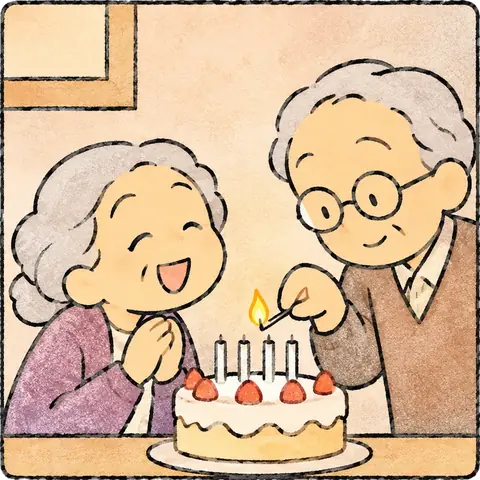
At the community center, the cake made for Hana's ninetieth birthday vanishes from the refrigerator.
- ~12 minutes
- 20 sentences
- 846 characters
- 107 kanji
- 0 N1 words
Every word and every kanji is checked against the lists of N2 and the levels below; no word from a higher level. How we check →
Too hard? Try the N3 stories or the N4 stories.
The story
十月十三日の 午後、公民館の 「水曜会」では、九十歳に なる はなさんの お祝いを する ことに なっていた。
On the afternoon of October 13, the "Wednesday Club" at the community center was to celebrate Hana's ninetieth birthday.
ゆいも、祖母の さちこに 頼まれて、手伝いに 来ていた。
Yui had come to help, at the request of her grandmother Sachiko.
ところが 当日の 朝、電話を 受けた さちこが、「はなさん、足が 痛くて 来られない とか」と 残念そうに 言った。
But that very morning, Sachiko took a phone call and said sadly, "Hana's legs are hurting, so she can't come, apparently."
主役の いない お祝いは さびしいが、せっかくの ケーキなので、三時に みんなで 食べる ことに なった。
A party without its guest of honor was a sad thing, but it would have been a shame to waste the cake, so it was decided that everyone would eat it together at three.
さちこは ケーキの 箱を 台所の 冷蔵庫に しまい、ドアに 「準備中につき、開けないで ください」と 書いた 紙を はった。
Sachiko put the cake box away in the kitchen refrigerator and stuck a sign on the door: "In preparation. Please do not open."
三時に なって 冷蔵庫を 開けると、ケーキの 箱が 消えていた。
At three o'clock, when they opened the refrigerator, the cake box was gone.
二時から 三時の 間に 台所に 入ったのは、お茶を 入れに 行った 森さん 一人だけだ。
Between two and three o'clock, only one person had gone into the kitchen: Mori-san, who had gone to make tea.
その 森さんは、「いつもの 三時十分の バスで 帰る」と 言って、少し 前に 帰っていた。
And that same Mori-san had left a little earlier, saying, "I'm taking my usual 3:10 bus home."
さちこが 電話を かけると、森さんは あわてた 声で 「今、公民館前から バスに 乗った ところだよ」と 答えた。
When Sachiko phoned him, Mori-san answered in a flustered voice, "I just got on the bus at the Community Center stop."
その とき、ゆいは、来る とき 入口で 見た 市バスの はり紙を 思い出した。
Just then, Yui remembered the city bus notice she had seen at the entrance on her way in.
「いつも 市バスを ご利用いただき、ありがとう ございます。道路工事につき、十月十二日より 十五日まで、『公民館前』および 『中央公園前』の 停留所は 運休いたします。」
"Thank you for always using the city buses. Due to roadwork, from October 12 to 15, the 'Community Center' and 'Central Park' stops will not be served."
「期間中は、『市役所前』停留所にて ご乗車ください。なお、運休するのは この 二つの 停留所のみです。ご不便を おかけしますが、ご理解と ご協力を お願い いたします。」
"During this period, please board at the 'City Hall' stop. Note that only these two stops are affected. We apologize for the inconvenience and ask for your understanding and cooperation."
今日は 十三日だから、公民館前の 停留所は 運休中だ。
Since today was the 13th, the Community Center stop was out of service.
それにもかかわらず、森さんは そこから バスに 乗ったと 言ったのだ。
Even so, Mori-san had said that he got on the bus there.
「バスに 乗った というのは うそだね」と 水曜会の やまださんが 言うと、さちこが 小さな 声で 言った。
When Yamada-san, a member of the club, said, "That bit about the bus is a lie," Sachiko said quietly:
「森さんと はなさんは、小学校からの 幼なじみだ とか」
"Mori-san and Hana have been friends since elementary school, I hear."
みんなで 坂の 上の はなさんの 家へ 行くと、森さんが ケーキの ろうそくに 火を つけている ところだった。
When they all went to Hana's house at the top of the hill, Mori-san was just lighting the candles on the cake.
自分も 足が 悪い にもかかわらず、森さんは ケーキの 箱を 抱えて、こっそり 坂を 上ってきたのだ。
Even though his own legs were bad too, Mori-san had secretly climbed the hill carrying the cake box in his arms.
「主役の いない お祝いなんて、はなさんが かわいそうだと 思って……」と、森さんは 頭を かいた。
"A party without the guest of honor? I felt sorry for Hana…" said Mori-san, scratching his head.
はなさんは 笑って、「この 人、八十年 前から うそが 下手なのよ」と 言った。
Hana laughed. "This man has been a terrible liar for eighty years."
Did you understand?
-
1 森さんの 話が うそだと 分かったのは なぜか。
Why was it clear that Mori-san's story was a lie?
See the answer
Answer: 4. 公民館前の 停留所が 運休中だったから。 Because the Community Center stop was out of service.
-
2 森さんと はなさんは、いつから 知り合いだと 考えられるか。
Since when do you think Mori-san and Hana have known each other?
See the answer
Answer: 2. 小学生の ころから Since elementary school
-
3 森さんが ケーキを 持っていったのは なぜか。
Why did Mori-san take the cake away?
See the answer
Answer: 3. はなさんに 届けたかったから。 Because he wanted to take it to Hana.

Next story
 やくせない言葉
Untranslatable Words
Emma, who teaches English and does translations, writes an essay for a magazine.
Tappable words, synthetic voice and review.
Grammar in this story
-
〜につき Noun + につき: "due to" (on notices: 準備中につき) or "per" (一人につき, "per person").
さちこは ケーキの 箱を 台所の 冷蔵庫に しまい、ドアに 「準備中につき、開けないで ください」と 書いた 紙を はった。
Sachiko put the cake box away in the kitchen refrigerator and stuck a sign on the door: "In preparation. Please do not open."
-
〜にもかかわらず Plain form or Noun + にもかかわらず: "despite, even though"; formal.
それにもかかわらず、森さんは そこから バスに 乗ったと 言ったのだ。
Even so, Mori-san had said that he got on the bus there.
-
〜とか(伝聞) Plain form + とか: "I hear that…", hearsay that is a little vague (…だとか).
ところが 当日の 朝、電話を 受けた さちこが、「はなさん、足が 痛くて 来られない とか」と 残念そうに 言った。
But that very morning, Sachiko took a phone call and said sadly, "Hana's legs are hurting, so she can't come, apparently."
Vocabulary 122 words
- 時刻 じこく
- time (exact, as on a schedule)
- 十 じゅう
- ten
- 月 がつ
- month (after a number): 二月 = "February", 三月 = "March"
- 三 さん
- three
- 日 にち
- day (in a date): 十三日 = "the 13th"
- 午後 ごご
- afternoon, p.m.
- 公民館 こうみんかん
- community center (public hall for local residents)
- 九 きゅう
- nine
- 歳 さい
- years old: 六さい = "six years old"
- なる
- to become
- さん
- Mr., Ms. (polite, after a name)
- お祝い おいわい
- congratulations, celebration
- する
- to do
- 祖母 そぼ
- grandmother (one's own, talking to someone outside the family; or in a narrative)
- 頼む たのむ
- to ask (a favor); to count on someone
- 手伝う てつだう
- to help (someone do something)
- 来る くる
- to come
- ところが
- however, but (unexpectedly)
- 当日 とうじつ
- the day itself, that very day
- 朝 あさ
- morning
- 電話 でんわ
- telephone; phone call
- 受ける うける
- to receive (a prize, a request)
- 足 あし
- foot, leg; paw
- 痛い いたい
- painful, sore
- 残念 ざんねん
- too bad; disappointed
- 言う いう
- to say
- 主役 しゅやく
- lead role; the guest of honor
- いる
- to be, to exist (living things)
- さびしい
- lonely; sad (feeling something is missing)
- せっかく
- specially, with so much effort; (せっかくの〜) a… too good to waste
- ケーキ
- cake
- 時 じ
- o'clock: 八時 = "eight o'clock"
- みんな
- everyone; all
- 食べる たべる
- to eat
- 箱 はこ
- box
- 台所 だいどころ
- kitchen
- 冷蔵庫 れいぞうこ
- refrigerator, fridge
- しまう
- to put away, to store
- ドア
- door
- 準備 じゅんび
- preparations
- 開ける あける
- to open
- 書く かく
- to write
- 紙 かみ
- paper, a piece of paper
- はる
- to stick, to paste
- 消える きえる
- to go out (a light); to disappear
- 二 に
- two
- 間 あいだ
- during, while; between
- 入る はいる
- to enter, to come in
- お茶 おちゃ
- (green) tea
- 入れる いれる
- to make, to pour (tea): お茶を 入れる
- 行く いく
- to go
- 一人 ひとり
- one person; alone (一人で, いつも 一人)
- その
- that (already mentioned, or near the listener)
- いつも
- always
- 分 ふん
- minute: 五分 = "five minutes"
- バス
- bus
- 帰る かえる
- to go home, to return
- 少し すこし
- a little
- 前 まえ
- front; before (入る 前に = "before going in")
- かける
- to make (a call): 電話を かける = "to phone"
- あわてる
- to rush, to panic
- 声 こえ
- voice
- 今 いま
- now
- 乗る のる
- to get on, to ride, to take (a bus)
- 答える こたえる
- to answer
- とき
- time; 〜とき = "when…"
- 入口 いりぐち
- entrance
- 見る みる
- to look, to see
- 市 し
- city, municipality
- はり紙 はりがみ
- notice, poster (stuck on a wall)
- 思い出す おもいだす
- to remember, to recall
- 利用 りよう
- use; (ご利用) using (a service)
- いただく
- (humble) to receive; ご〜いただく = "to have the honor of your doing…"
- ありがとう
- thank you
- ございます
- there is, we have (very polite form of あります)
- 道路 どうろ
- road
- 工事 こうじ
- construction work (building, roads, installation)
- 五 ご
- five
- および
- and, as well as (written)
- 中央 ちゅうおう
- center; central
- 公園 こうえん
- park
- 停留所 ていりゅうじょ
- (bus) stop
- 運休 うんきゅう
- suspension of service (a bus or train does not run)
- いたす
- to do (humble form of する)
- 期間 きかん
- period, term
- 市役所 しやくしょ
- city hall
- 乗車 じょうしゃ
- boarding; (ご乗車) your ride (in announcements)
- なお
- (sentence start, written) note that, furthermore
- この
- this… (near me, or the one just mentioned)
- 二つ ふたつ
- two (things)
- 不便 ふべん
- inconvenient; (ご不便) inconvenience
- かける
- to cause (trouble): ご不便を おかけします = "we apologize for the inconvenience"
- 理解 りかい
- understanding
- 協力 きょうりょく
- cooperation
- 願う ねがう
- (お〜願います) to request politely: お知らせ願います = "please let us know"
- 今日 きょう
- today
- それ
- that (near the listener, or already mentioned)
- そこ
- there, that place
- うそ
- lie
- 小さな ちいさな
- small, little (always before a noun)
- 小学校 しょうがっこう
- elementary school (six years, ages 6 to 12)
- 幼なじみ おさななじみ
- childhood friend
- 坂 さか
- slope, hill
- 上 うえ
- top, above
- 家 いえ
- house, home
- ろうそく
- candle
- 火 ひ
- fire; flame
- つける
- to turn on (a light, a device); to light (a fire)
- 自分 じぶん
- oneself; じぶんの = "one's own"
- 悪い わるい
- bad
- 抱える かかえる
- to carry in one's arms, to hold
- こっそり
- secretly, on the quiet
- 上る のぼる
- to go up (a slope, stairs)
- かわいそう
- poor thing, pitiful
- 思う おもう
- to think, to believe
- 頭 あたま
- head
- かく
- to scratch; 頭を かく = to scratch one's head (embarrassment)
- 笑う わらう
- to laugh, to smile
- 人 ひと
- person; ゆうびんきょくの 人 = "the post office clerk"
- 八 はち
- eight
- 年 ねん
- year (counter): 五十年 = "fifty years"
- 下手 へた
- bad at, unskillful