 hinoko
けんの一週間 Ken's Week
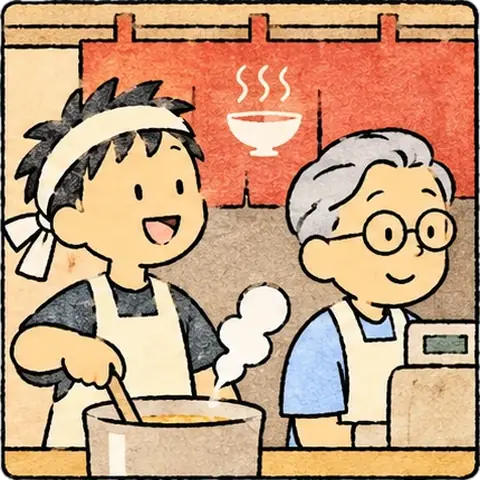
The manager of the ramen shop is in the hospital: for a week, Ken has to run the shop on his own.
- ~11 minutes
- 19 sentences
- 793 characters
- 107 kanji
- 0 N1 words
Every word and every kanji is checked against the lists of N2 and the levels below; no word from a higher level. How we check →
Too hard? Try the N3 stories or the N4 stories.
The story
「一週間、店を 頼む」
"Look after the shop for a week."
病院の ベッドから 電話を かけてきた 店長の 声は、いつもより ずっと 弱かった。
The manager's voice, calling from his hospital bed, was much weaker than usual.
けんが 高校を 出て、この 店で 毎日 働く ように なった 春、店長が 急に 入院する ことに なったのだ。
It was the spring Ken had finished high school and started working at the shop every day, and the manager had suddenly been taken to the hospital.
一人で 店を 開ける 自信は なかったが、毎日の ように 来てくれる 客たちの 顔を 思うと、やらざるを 得なかった。
He wasn't confident he could open the shop on his own, but when he thought of the faces of the customers who came almost every day, he had no choice but to do it.
やると 決めたからには、店長が ずっと 大切に してきた 味を、最後まで 守り抜くしか ない。
Now that he had decided to do it, all he could do was protect, to the very end, the flavor the manager had always cherished.
ところが、最初の 日の 朝、店に 来て なべの 中を 見た けんは 青く なった。
But on the morning of the first day, Ken came into the shop, looked into the pot and turned pale.
火が 強すぎた せいで、いつもは すきとおっている 店長の スープが、白く にごっていたのだ。
The flame had been too high, and the manager's broth, usually clear, had turned white and cloudy.
スープを 一から 作り直すと 半日 かかるので、その 日は 店を 休まざるを 得なかった。
Making the broth again from scratch would take half a day, so that day he had no choice but to close the shop.
しかし、いつまでも 下を 向いてばかりは いられない。
But he couldn't just keep hanging his head forever.
次の 日からは、朝四時に 起きて スープを 作り、夜は 店を 閉めた あとも 一人で 味の 研究を 続けて、寝る どころでは なかった。
From the next day on, he got up at four to make the broth, and at night, even after closing, he kept working on the flavor alone; sleep was out of the question.
そして、いよいよ 一年で 一番 客が 多い、駅前の 春祭りの 日が 来た。
Then, at last, came the day of the spring festival in front of the station, the busiest day of the year.
店の 前には 昼前から 長い 行列が でき、一人で 注文を 聞き、ラーメンを 作り、どんぶりを 洗う けんは、水を 飲む どころでは なかった。
A long line formed in front of the shop before noon, and Ken, taking orders, making ramen and washing bowls all by himself, didn't even have time for a drink of water.
そこへ、行列に 並んでいた やまださんが 店に 入ってきて、上着を ぬぐと、だまって レジに 立った。
Just then, Yamada-san, who had been standing in the line, came into the shop, took off his jacket and, without a word, took his place at the register.
「レジは 私が やろう。けんくんは ラーメンの ことだけ 考えなさい」
"I'll handle the register. You just think about the ramen, Ken."
長い 間 コンビニの レジに 立っていた やまださんが、要領 よく お金を 受け取ってくれた おかげで、客を あまり 待たせずに 済んだ。
Yamada-san, who had stood behind a konbini register for many years, took the money deftly, and thanks to him Ken managed without keeping the customers waiting too long.
その 日の 最後に、毎日 来る 客の 一人から「いつもの 味じゃないね。少し 塩辛い」と 言われ、けんは その 夜、病院の 店長に 電話を かけた。
At the end of that day, one of the customers who came every day told him, "That's not the usual taste, is it? A bit too salty." That night, Ken phoned the manager at the hospital.
スープの 作り方を もう 一度 聞く つもりだったが、店長が くれた アドバイスは 一つだけだった。
He meant to ask once more how to make the broth, but the manager gave him only one piece of advice.
「店を 預かったからには、せめて 五時間は 寝ろ。くたびれた 料理人が 作った スープは、客にも 分かる」
"Now that you're in charge of the shop, get at least five hours' sleep. Customers can tell when a broth was made by a worn-out cook."
次の 日、ぐっすり 眠った けんの ラーメンを 食べた その 客は、スープまで 全部 飲んで、店を 出る ときに「明日も 来るよ」と 笑った。
The next day, that customer ate the ramen Ken made after a good night's sleep, drank every last drop of the broth, and on his way out said with a smile, "I'll be back tomorrow."
Did you understand?
-
1 最初の 日、けんが 店を 休んだのは なぜか。
Why did Ken close the shop on the first day?
See the answer
Answer: 2. スープの 作り直しに 半日 かかるから。 Because making the broth again took half a day.
-
2 店長の アドバイスは どんな ことだったか。
What was the manager's advice?
See the answer
Answer: 3. 夜は ちゃんと 寝る こと。 To get proper sleep at night.
-
3 客が「明日も 来るよ」と 言ったのは なぜだと 考えられるか。
Why do you think the customer said, "I'll be back tomorrow"?
See the answer
Answer: 1. けんの スープが おいしく なったから。 Because Ken's broth had become good.

Next story
 十年前の手紙
The Letter from Ten Years Ago
One winter evening, Yui's grandmother gives her back a letter she wrote to herself at the age of ten.
Tappable words, synthetic voice and review.
Grammar in this story
-
〜ざるを得ない Nai-form minus ない + ざるを得ない: "have no choice but to"; する gives せざるを得ない.
一人で 店を 開ける 自信は なかったが、毎日の ように 来てくれる 客たちの 顔を 思うと、やらざるを 得なかった。
He wasn't confident he could open the shop on his own, but when he thought of the faces of the customers who came almost every day, he had no choice but to do it.
-
〜からには Plain form + からには: "now that…, since": so one must see it through.
やると 決めたからには、店長が ずっと 大切に してきた 味を、最後まで 守り抜くしか ない。
Now that he had decided to do it, all he could do was protect, to the very end, the flavor the manager had always cherished.
-
〜どころではない Dictionary form or Noun + どころではない: "this is no time for…, out of the question".
次の 日からは、朝四時に 起きて スープを 作り、夜は 店を 閉めた あとも 一人で 味の 研究を 続けて、寝る どころでは なかった。
From the next day on, he got up at four to make the broth, and at night, even after closing, he kept working on the flavor alone; sleep was out of the question.
Vocabulary 137 words
- 一 いち
- one
- 週間 しゅうかん
- week (duration): 一週間 = "one week"
- 店 みせ
- shop, store; restaurant
- 頼む たのむ
- to ask (a favor); to count on someone
- 病院 びょういん
- hospital, clinic
- ベッド
- bed
- 電話 でんわ
- telephone; phone call
- かける
- to make (a call): 電話を かける = "to phone"
- 店長 てんちょう
- manager (of a shop or restaurant)
- 声 こえ
- voice
- いつも
- always
- ずっと
- (in a comparison) much more, by far
- 弱い よわい
- weak
- 高校 こうこう
- high school
- 出る でる
- to graduate from: 大学を 出る = "to graduate from university"
- この
- this… (near me, or the one just mentioned)
- 毎日 まいにち
- every day
- 働く はたらく
- to work
- なる
- to become
- 春 はる
- spring
- 急に きゅうに
- suddenly, all of a sudden
- 入院 にゅういん
- hospitalization; (入院する) to be hospitalized
- する
- to do
- 一人 ひとり
- one person; alone (一人で, いつも 一人)
- 開ける あける
- to open
- 自信 じしん
- self-confidence
- ある
- there is, to be (for things)
- 来る くる
- to come
- 客 きゃく
- customer (of a restaurant, a shop)
- たち
- (after a noun) plural: どうぶつたち = "the animals"
- 顔 かお
- face
- 思う おもう
- to think, to believe
- やる
- to do (casual)
- 決める きめる
- to decide, to choose
- ずっと
- all the time; for a long time
- 大切 たいせつ
- important, precious
- 味 あじ
- taste, flavor
- 最後 さいご
- last; the end
- 守る まもる
- to keep (a rule, a promise); to protect
- ところが
- however, but (unexpectedly)
- 最初 さいしょ
- the first; at first
- 日 ひ
- day
- 朝 あさ
- morning
- なべ
- pot, saucepan
- 中 なか
- inside
- 見る みる
- to look, to see
- 青い あおい
- (青くなる) to turn pale (with fear)
- 火 ひ
- fire; flame
- 強い つよい
- strong, powerful
- すきとおる
- to be clear, transparent
- スープ
- soup; here, the ramen broth
- 白い しろい
- white
- にごる
- to become cloudy, murky
- 作る つくる
- to make
- 半日 はんにち
- half a day
- かかる
- (電話が かかる) a call comes in; (time, money) to take, to cost
- その
- that (already mentioned, or near the listener)
- 休む やすむ
- (店を 休む) to close (for the day), not to open
- しかし
- but, however (written)
- いつ
- when
- 下 した
- under, below
- 向く むく
- to turn toward; (下を向く) to hang one's head, to lose heart
- いる
- to be, to exist (living things)
- 次 つぎ
- next; つぎの あさ = "the next morning"
- 四 よん
- four
- 時 じ
- o'clock: 八時 = "eight o'clock"
- 起きる おきる
- to wake up, to get up
- 夜 よる
- night, evening
- 閉める しめる
- to close, to shut
- あと
- after; the rest (あと 一つ = "one left"; あと 五分 = "five more minutes")
- 研究 けんきゅう
- research, study; (味の研究) working on the taste
- 続ける つづける
- to continue, to keep on
- 寝る ねる
- to sleep, to go to bed
- そして
- and then
- いよいよ
- at last, finally (the awaited moment comes)
- 年 ねん
- year (counter): 五十年 = "fifty years"
- 一番 いちばん
- the most; いちばん 上 = "the very top"
- 多い おおい
- many, a lot; 人が おおい = "crowded"
- 駅前 えきまえ
- in front of the station, the station area
- 祭り まつり
- festival
- 前 まえ
- front; before (入る 前に = "before going in")
- 昼 ひる
- noon; daytime
- 長い ながい
- long
- 行列 ぎょうれつ
- line (of people waiting)
- できる
- to form, to appear; to be built, to open (a road, a shop)
- 注文 ちゅうもん
- order (in a restaurant)
- 聞く きく
- to listen; to ask
- ラーメン
- ramen (noodle soup)
- どんぶり
- large bowl (for noodles, rice)
- 洗う あらう
- to wash
- 水 みず
- water
- 飲む のむ
- to drink
- そこ
- there, that place
- 並ぶ ならぶ
- to line up, to wait in line
- さん
- Mr., Ms. (polite, after a name)
- 入る はいる
- to enter, to come in
- 上着 うわぎ
- jacket, outer garment
- ぬぐ
- to take off (clothes, shoes)
- だまる
- to fall silent
- レジ
- cash register, checkout
- 立つ たつ
- to stand
- 私 わたし
- I, me
- くん
- friendly, familiar suffix after the name of a boy or young man
- こと
- thing, matter; いい こと = "a good thing"
- 考える かんがえる
- to think (about), to consider
- 間 あいだ
- during, while; between
- コンビニ
- konbini, convenience store
- 要領 ようりょう
- knack; (要領よく) efficiently, deftly
- いい
- good, fine
- お金 おかね
- money
- 受け取る うけとる
- to receive, to take (what is handed over)
- あまり
- (with a negative verb) not much, not very
- 待つ まつ
- to wait
- 済む すむ
- to be settled, to be enough; (〜て 済む) it's enough to
- 少し すこし
- a little
- 塩辛い しおからい
- salty
- 言う いう
- to say
- もう
- already; (with a negative) no longer
- 一度 いちど
- once; (一度も + negative) not even once
- くれる
- to give (to me or my side)
- アドバイス
- advice
- 一つ ひとつ
- one (thing)
- 預かる あずかる
- to look after, to take charge of (what is entrusted)
- せめて
- at least (that much, at the very least)
- 五 ご
- five
- 時間 じかん
- time; hour (duration): 一時間 = "one hour"
- くたびれる
- to be worn out, exhausted
- 料理人 りょうりにん
- cook, chef
- 分かる わかる
- to understand, to know
- ぐっすり
- (sleep) soundly
- 眠る ねむる
- to sleep, to fall asleep
- 食べる たべる
- to eat
- 全部 ぜんぶ
- all, everything
- 出る でる
- to go out, to leave
- とき
- time; 〜とき = "when…"
- 明日 あした
- tomorrow
- 笑う わらう
- to laugh, to smile