 hinoko
火と本 Fire and Books
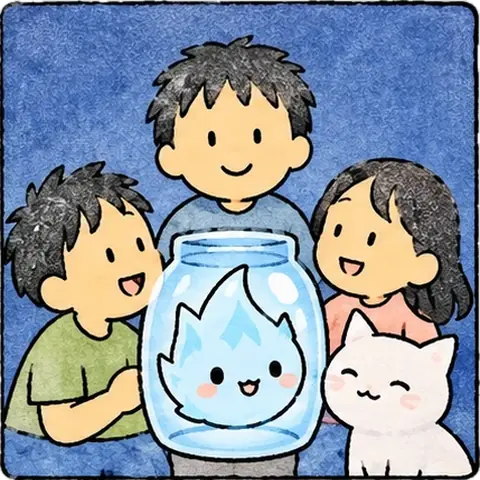
A new librarian wants Hinoko to leave the library. Then, one evening, a typhoon hits.
- ~11 minutes
- 19 sentences
- 765 characters
- 99 kanji
- 0 N1 words
Every word and every kanji is checked against the lists of N2 and the levels below; no word from a higher level. How we check →
Too hard? Try the N3 stories or the N4 stories.
The story
「図書館に 火が いるなんて、困ります」
"A fire in the library? That's a real problem."
この 秋から 図書館で 働き始めた さかいさんは、ひのこを 初めて 見た 夜、怖い 顔で そう 言った。
That was what Sakai-san, who had started working at the library that autumn, said with a stern face the evening she first saw Hinoko.
「本は 紙で できているんですよ。火が そばに いる 以上は、燃える おそれが あります。何万冊もの 本が、あっという間に 灰に なりかねません」
"Books are made of paper, you know. As long as there's a fire nearby, there's a risk they'll burn. Tens of thousands of books could turn to ash in the blink of an eye."
ひのこは、ずっと 前から、毎晩 この 図書館で 本を 読んできた。
For a long time now, Hinoko had been reading in this library every night.
本に 限らず、紙で できた 物には 決して 近づかず、大きな ガラスの コップの 中から、猫の シロに ページを めくってもらって 読むのだ。
She never went near anything made of paper, not just books: she read from inside a big glass, and Shiro the cat turned the pages for her.
それでも、さかいさんは、月末までに ほかの 場所を 探してほしいと 言った。
Even so, Sakai-san asked her to find somewhere else before the end of the month.
火である 以上は、怖がられても 仕方がない。ひのこは そう 思って、何も 言わなかった。
Since she was a fire, it was only natural for people to be afraid of her. That was what Hinoko thought, and she said nothing.
月末まで あと 三日という 日、大きな 台風が 近づいて、朝から ニュースが 停電の おそれが あると 伝えていた。
Three days before the end of the month, a big typhoon was approaching, and since morning the news had been warning of possible power outages.
夕方、子ども向けの 本の 部屋には、迎えを 待つ 子どもが 三人 残っていた。
In the evening, three children were still in the children's book room, waiting to be picked up.
突然、電気が 消えて、図書館は 真っ暗に なった。
Suddenly the power went out, and the library was plunged into darkness.
「こんな 雨の 中、お母さんは 来られっこないよ」と、一人が なきだした。
"In rain like this, Mom can't possibly come!" one of them said, and burst into tears.
事務室で 夜を 待っていた ひのこは、その 声を 聞くと、「私を、あの 部屋に 連れていってください」と さかいさんに 頼んだ。
Hinoko, who had been waiting for nightfall in the office, heard the crying and asked Sakai-san, "Please take me to that room."
「でも、子どもが 火に 触ったら、やけどを しかねません」
"But if a child touched the fire, they might get burned."
「コップからは 出ませんし、本にも 近づきません。約束 します」
"I won't come out of the glass, and I won't go near the books. I promise."
なきつづける 子どもの 声を 聞いて、さかいさんも、ひのこを 連れていかない わけには いかなかった。
Hearing the child still crying, Sakai-san had no choice but to take Hinoko there.
さかいさんが 震える 手で コップを 運び、本だなから 一番 遠い テーブルに 置くと、ひのこは 大きく、明るく なった。
Sakai-san carried the glass in her trembling hands and set it on the table farthest from the bookshelves; then Hinoko grew bigger and brighter.
青い 光の 中で、子どもたちは やっと 笑顔に なり、迎えが 来るまで、ひのこが 語る 本の 話を 聞いていた。
In the blue light, the children finally smiled again, and until they were picked up, they listened to Hinoko telling stories from books.
最後の 子どもが 帰った あと、さかいさんは、コップを 事務室に 戻しながら 言った。
After the last child had gone home, Sakai-san said as she carried the glass back to the office:
「ほかの 人は ともかく、私は まだ、火が 怖いんです。でも、水には 気をつけてくださいね。あなたが 消えたら、困りますから」
"I don't know about other people, but I'm still afraid of fire. But do watch out for water, won't you? If you went out, that would be a real problem for me."
Did you understand?
-
1 さかいさんが、ひのこに ほかの 場所を 探してほしいと 言ったのは なぜか。
Why did Sakai-san ask Hinoko to find somewhere else?
See the answer
Answer: 3. 火が そばに いると、本が 燃える かもしれないから。 Because if a fire is close by, the books might burn.
-
2 最後に、さかいさんが「困りますから」と 言ったのは、どんな 気持ちからか。
At the end, what feeling makes Sakai-san say "that would be a real problem for me"?
See the answer
Answer: 1. ひのこの ことを 心配 する 気持ち She is worried about Hinoko.
-
3 この 話と 合っている ものは どれか。
Which statement matches the story?
See the answer
Answer: 4. さかいさんは、今も 火が 怖いと 言った。 Sakai-san said she was still afraid of fire.

Next story
 三本のかさ
Three Umbrellas
On a rainy day at his usual café, Yamada-san takes it upon himself to return three identical umbrellas to three customers.
Tappable words, synthetic voice and review.
Grammar in this story
-
〜おそれがある Dictionary form or Noun + の + おそれがある: "there is a risk that"; news and warnings.
「本は 紙で できているんですよ。火が そばに いる 以上は、燃える おそれが あります。何万冊もの 本が、あっという間に 灰に なりかねません」
"Books are made of paper, you know. As long as there's a fire nearby, there's a risk they'll burn. Tens of thousands of books could turn to ash in the blink of an eye."
-
〜かねない Stem + かねない: "could well…, might", warning that a bad outcome is possible.
「でも、子どもが 火に 触ったら、やけどを しかねません」
"But if a child touched the fire, they might get burned."
-
〜以上は Plain form + 以上は: "now that, since": so one must (or should) act accordingly.
火である 以上は、怖がられても 仕方がない。ひのこは そう 思って、何も 言わなかった。
Since she was a fire, it was only natural for people to be afraid of her. That was what Hinoko thought, and she said nothing.
Vocabulary 118 words
- 図書館 としょかん
- library
- 火 ひ
- fire; flame
- いる
- to be, to exist (living things)
- 困る こまる
- to be in trouble, to be at a loss
- この
- this… (near me, or the one just mentioned)
- 秋 あき
- autumn, fall
- 働く はたらく
- to work
- さん
- Mr., Ms. (polite, after a name)
- 初めて はじめて
- for the first time
- 見る みる
- to look, to see
- 夜 よる
- night, evening
- 怖い こわい
- scary; scared
- 顔 かお
- face
- そう
- so, like that; そうですか = "I see"
- 言う いう
- to say
- 本 ほん
- book
- 紙 かみ
- paper, a piece of paper
- できる
- (〜でできている) to be made of
- そば
- beside, near
- 燃える もえる
- to burn, be on fire
- ある
- there is, to be (for things)
- 何 なん
- what; how many (before a counter: 何まい = "how many")
- 万 まん
- ten thousand; 何万 = "tens of thousands"
- 冊 さつ
- (counter for books, notebooks): 一冊 = "one book"
- あっという間 あっというま
- an instant; あっという間に = "in the blink of an eye"
- 灰 はい
- ash
- なる
- to become
- ずっと
- all the time; for a long time
- 前 まえ
- front; before (入る 前に = "before going in")
- 毎晩 まいばん
- every night
- 読む よむ
- to read
- 限る かぎる
- to limit; (〜に限らず) not only…, not just…
- 物 もの
- thing
- 決して けっして
- (with a negative) never, by no means
- 近づく ちかづく
- to approach, to draw near
- 大きな おおきな
- big (always before a noun)
- ガラス
- glass (the material)
- コップ
- glass, cup (for drinking)
- 中 なか
- inside
- 猫 ねこ
- cat
- ページ
- page
- めくる
- to turn (a page)
- それでも
- even so, and yet
- 月末 げつまつ
- end of the month
- ほか
- other; ほかの 人 = "other people"
- 場所 ばしょ
- place, spot; ばしょを とる = "to save a spot"
- 探す さがす
- to look for, to search
- 怖がる こわがる
- to be afraid of (said of someone else)
- 仕方がない しかたがない
- it can't be helped; it's only natural
- 思う おもう
- to think, to believe
- 何も なにも
- nothing (with a negative verb)
- あと
- after; the rest (あと 一つ = "one left"; あと 五分 = "five more minutes")
- 三日 みっか
- three days; the 3rd of the month
- 日 ひ
- day
- 台風 たいふう
- typhoon
- 朝 あさ
- morning
- ニュース
- the news
- 停電 ていでん
- power outage, blackout
- 伝える つたえる
- to pass on (a message), to tell
- 夕方 ゆうがた
- late afternoon, early evening
- 子供 こども
- child; 子どもの とき = "as a child"
- 部屋 へや
- room
- 迎え むかえ
- picking someone up; (迎えが来る) someone comes to pick you up
- 待つ まつ
- to wait
- 三 さん
- three
- 人 にん
- (after a number) counter for people: 三人 = "three people"
- 残る のこる
- to remain, to stay behind; to be left
- 突然 とつぜん
- suddenly, all of a sudden
- 電気 でんき
- electricity; the (electric) light
- 消える きえる
- to go out (a light); to disappear
- 真っ暗 まっくら
- pitch-dark
- こんな
- such, like this
- 雨 あめ
- rain
- お母さん おかあさん
- mother; "mom" (children also call their own mother this)
- 来る くる
- to come
- 一人 ひとり
- one person; alone (一人で, いつも 一人)
- なく
- to cry
- 事務室 じむしつ
- office (staff room)
- その
- that (already mentioned, or near the listener)
- 声 こえ
- voice
- 聞く きく
- to listen; to ask
- 私 わたし
- I, me
- あの
- that… (over there)
- 連れる つれる
- to take (someone) along; つれていく = "to take someone somewhere"
- 頼む たのむ
- to ask (a favor); to count on someone
- でも
- but
- 触る さわる
- to touch
- やけど
- burn; やけどをする = "to get burned"
- する
- to do
- 出る でる
- to go out, to leave
- 約束 やくそく
- promise; (〜する) to promise
- いく
- to go
- 震える ふるえる
- to tremble, to shake
- 手 て
- hand
- 運ぶ はこぶ
- to carry
- 本だな ほんだな
- bookshelf
- 一番 いちばん
- the most; いちばん 上 = "the very top"
- 遠い とおい
- far, distant
- テーブル
- table
- 置く おく
- to put, to leave (somewhere)
- 大きい おおきい
- big
- 明るい あかるい
- bright, light
- 青い あおい
- blue
- 光 ひかり
- light, glow
- たち
- (after a noun) plural: どうぶつたち = "the animals"
- やっと
- at last, finally (after waiting or effort)
- 笑顔 えがお
- smiling face, smile
- 語る かたる
- to tell, to relate
- 話 はなし
- talk, story; conversation
- 最後 さいご
- last; the end
- 帰る かえる
- to go home, to return
- 戻す もどす
- to put back, to return
- 人 ひと
- person; ゆうびんきょくの 人 = "the post office clerk"
- ともかく
- (〜はともかく) leaving … aside, whatever about …
- まだ
- still; (with a negative) not yet
- 水 みず
- water
- 気をつける きをつける
- to be careful; 〜に気をつける = "to watch out for…"
- あなた
- you (to someone you don't know well)